Combat & Systems Design
I designed and implemented the four musician encounters, combined finale, health and note systems, grading, progression, Encore mode, and the rules connecting performance to the ending.
Mini Jam 219 · Nocturne
A music-driven bullet hell where each musician fights through their instrument, and your rehearsal grades decide whether the band escapes an eternal contract.
I designed and implemented the four musician encounters, combined finale, health and note systems, grading, progression, Encore mode, and the rules connecting performance to the ending.
I built the fight framework, music synchronization, collisions, movement, attack warnings, procedural effects, runtime coloring, save data, menus, transitions, and debugging tools.
I expanded on Dzydsy's concept art through dialogue, recruitment scenes, Luci's contract storyline, both endings, and the smaller interactions that develop the band's relationships between fights.
Music & Encounter Design
I built every fight around the songs' shared 120 BPM timing. Attacks spawn on the beat, and their behavior continues to follow it after they appear. Circles shrink, projectiles bounce, and patterns change direction in time with the music.
Each rehearsal follows the same larger structure. The opening introduces that musician's three main attack patterns one at a time. The breakdown gives their instrument the spotlight. The finale then ramps up by combining all three patterns the player just learned.
Seyaro composed the main song, menu music, and dialogue music. Levin Lorlei rearranged the song around each musician's instrument. That shared foundation let every fight sound distinct while following a structure the player could recognize.
The breakdowns gave me the clearest direction. At the same point in each arrangement, the featured instrument comes forward. I gave the gameplay that same spotlight by saving each musician's largest instrument-specific pattern for this passage.
Choose a musician to watch their breakdown. Turn on sound to hear how the attack follows their instrument.
During Amari's breakdown, a laser sweeps across the arena on the beat but leaves a narrow pocket for the player to move through. Once they reach it, another wave of lasers fires downward, turning the solo into a sequence of timed escapes.
During Journee's breakdown, keyboard lanes enter from alternating sides in time with the synth phrases. Each entrance relocates the opening, asking the player to read the next phrase and cross the arena with it.
During Caroline's breakdown, broad strings bend and sweep through the arena with the bass line. Their slower, sustained motion steadily closes off space, making the player follow the shape of each phrase instead of dodging at the last second.
During Madie's breakdown, walls arrive on the drum hits and force the player left, then right. Bullet volleys follow with deliberate openings, turning the passage into a back-and-forth rhythm of repositioning and threading through the gaps.
Four Musicians
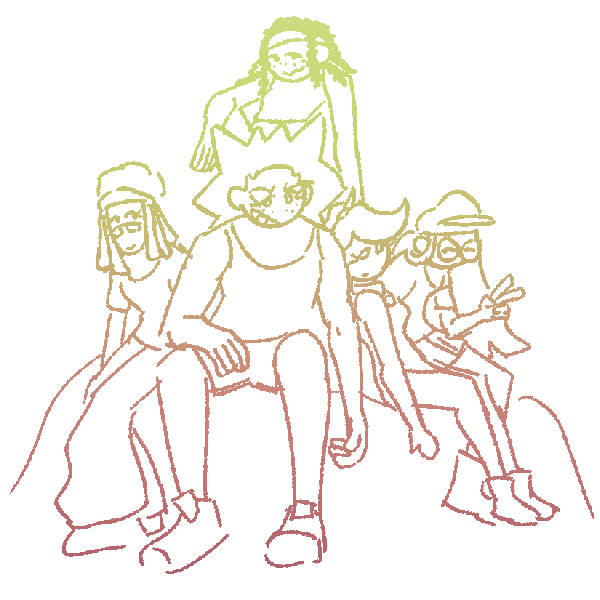
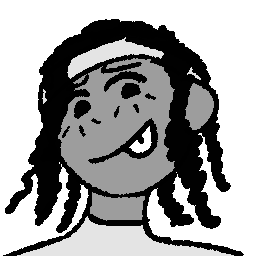
Dzydsy's concept art established the band's personalities and gave me the inspiration to build from. I expanded those ideas through dialogue and combat: Journee's restless movement, Amari's showmanship, Caroline's deliberate control, and Madie's forceful hits.
I designed each musician's attacks around their instrument and those character cues. The rehearsals introduce movement and visual patterns that return in the final performance, where several familiar attacks can overlap. The player gets to know the band through the fights as well as the conversations.
A Score With Consequences
The jam limitation was “Your score serves a purpose,” so I built the game around both meanings of the word. The musical score sets the timing and structure of combat, while the player's performance score measures how well each rehearsal went.
A rehearsal grade combines the player's remaining health with the green notes collected during the fight. Green notes are optional risks placed inside the attack patterns: reaching one restores a point of health and improves the grade, so pursuing a higher score can also help the player recover.
Those grades accumulate on the band's record rather than disappearing after each song. At the end, their average determines whether Grace can break Luci's contract. Meeting the requirement frees the band; falling short makes the contract eternal.
I wrote both endings around that result. In the bad ending, Luci strips the band members of their colors as she takes them away. In the good ending, the band breaks the contract and chooses to keep playing together.
Writing & Dialogue
I wrote all of the game's dialogue, from recruitment and the conversations between rehearsals to Luci's contract scenes and both endings. Dzydsy's concept art inspired the personalities I expanded through those exchanges.
I wanted players to care about keeping the band together before they reached the ending. The conversations between rehearsals gave me room to develop their relationships, so the final performance would matter beyond getting a good grade.
Procedural Presentation
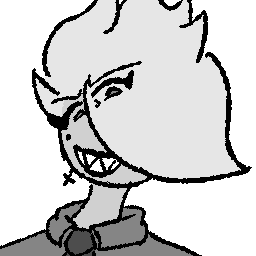
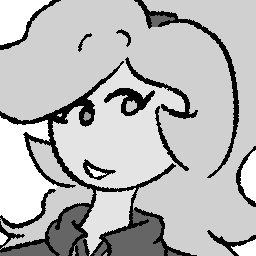
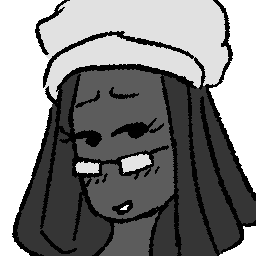
Dzydsy created the concept art, expressive portraits, and battle sprites that defined the game's look. I built the in-game effects around that artwork. The grayscale sprites let me apply color in code without needing separate colored copies.
The characters change color during different parts of the fights, with smaller color shifts continuing throughout. I used those changes alongside trails, flashes, and arena pulses to keep the effects moving with the music.
I connected the portrait expressions to dialogue and added procedural hair to Grace's battle sprite. Her ponytail follows her movement during gameplay; a separate hair sprite handles cinematic scenes.


Readability, recovery, replay progression, and testing.
Cross-slides and large circular patterns could look striking without making their danger clear.
I added directional text, visible damage zones, quieter setup beats, and more time between warning and impact. Madie and Amari share the same arrow language.
Players can reuse a familiar warning cue across encounters instead of learning a new meaning for each musician.
Green notes originally only improved the grade. The game was too difficult, and I wanted it to be more accessible to people trying it during the jam. Players needed a way to recover during a fight.
I made each note restore one health as well as improve the grade. But that could reward moving the mouse straight through an attack to grab it: the heal would cancel out the hit, leaving a free grade boost. I made the active note disappear when the player takes damage during a regular rehearsal.
Notes became an important source of healing, but players still have to reach them without getting hit. They offer a way back into the fight without rewarding damage taken on purpose.
Testing the finale and both endings required replaying songs and reproducing particular grades.
I built a hidden cheat mode with invincibility, rehearsal-rank overrides, and fast-track progression. If you can figure out how to turn it on without being told, I'd be genuinely impressed.
I could check ending logic, saves, credits, and postgame unlocks directly while leaving normal progression intact.
Concept sheets, alternate posters, and early character designs had no place in the finished game.
I built an Art Book unlocked by the good ending, alongside replayable credits, with artwork variants and notes about their implementation.
Players who free the band can explore more of the artist's work and see how the characters developed. Want to see it now? There is also a setting that unlocks the Art Book immediately.
Apoplectic won Mini Jam 219 with 25 ratings. The response was incredibly encouraging. Players praised the music, creative attack patterns, characters, and how the finale brought earlier fights together. Several were surprised by how much we had finished in three days.
Results & player comments ↗Dzydsy's art and Seyaro and Levin Lorlei's music gave me the inspiration for the encounters and writing. I designed and programmed the game around their work.
Art & Visual Design
Created all of the game's visual assets, including the character designs, portraits, battle sprites, concept art, posters, and ending illustrations.
Lead Composer
Composed the main song, menu music, and dialogue music. The main song became the basis for Levin's instrument-specific remixes.
Co-Composer
Created the instrument-specific remixes of Seyaro's main song, giving the individual encounters their musical identities within a shared composition.
Game Design · Programming · VFX · Writing
I designed and implemented combat, progression, scoring, UI, effects, dialogue, and endings, connecting the team's art and music to the game.
I'm incredibly proud of what we made in three days. Production issues meant Seyaro and Levin Lorlei created all the music the night before the deadline, and I was amazed by how well it fit. Each arrangement suited its musician and gave me new ideas for their attacks. They made something that felt like it belonged to these characters despite having so little time. Hearing it come together with Dzydsy's art, then reshaping the fights around the breakdowns, was one of my favorite parts of the jam.
Winning Overall and Enjoyment was exciting, but reading players' reactions made the result feel personal. They connected with the characters, loved the music, and noticed how the finale brought the rehearsals together. I'm happy that the parts each of us cared about came through so clearly, and proud of the game we finished as a team.